
Blog
How Neck Tension and Anxiety Affect Your Overall Well-Being
Published by Lou Flores on
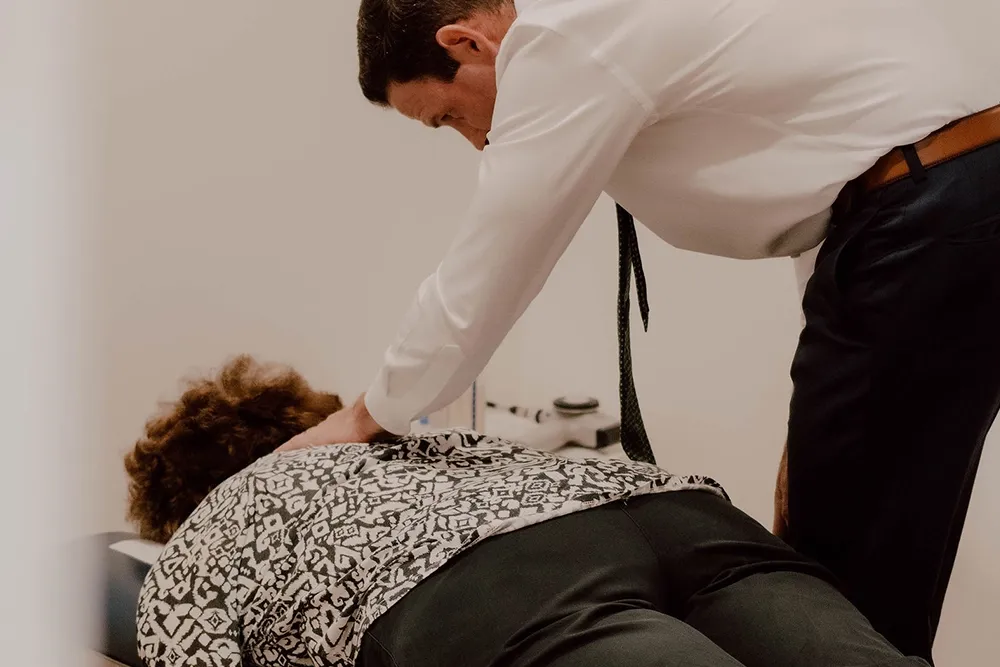
Neck tension and anxiety can be closely connected. When you're feeling anxious or stressed, the muscles around your neck and shoulders may tighten without you noticing. Over time, this tension can contribute to stiffness, headaches, and discomfort that makes everyday activities more difficult.
The relationship can also work in the opposite direction. Persistent neck discomfort may interfere with sleep, concentration, and daily routines, adding to feelings of stress or worry.
Understanding this connection can help you recognize physical signs of stress, explore practical ways to manage neck tension, and know when professional care may be appropriate.
The Connection Between Neck Tension and Anxiety
Anxiety activates the body's stress response, which prepares you to react to a perceived threat. During this response, your breathing may become faster, your heart rate may increase, and your muscles may tighten.
The neck and shoulders are common areas where this muscle tension develops. If stress continues over an extended period, you may find it difficult to relax these muscles completely.
Anxiety and neck pain can also reinforce one another. Physical discomfort may increase worry or disrupt sleep, while ongoing anxiety may contribute to further muscle tension.
However, not all neck pain is caused by anxiety. Poor posture, muscle strain, injuries, and other medical conditions can produce similar symptoms.
Common Signs of Stress-Related Neck Tension
Neck tension from stress may develop gradually or become more noticeable during particularly demanding situations.
Common symptoms include:
- Neck stiffness: Difficulty turning your head comfortably or moving through your usual range of motion.
- Tight shoulders: A persistent feeling of tightness across the shoulders and upper back.
- Tension headaches: Dull, pressing discomfort that may occur alongside tight neck muscles.
- Muscle soreness: Tenderness around the neck after prolonged periods of stress or inactivity.
- Difficulty relaxing: Feeling physically tense even when you're resting.
These symptoms are not specific to anxiety. Persistent or worsening discomfort deserves an appropriate medical evaluation to identify other possible causes.
How Neck Tension Can Affect Your Overall Well-Being
Sleep Quality
Neck discomfort can make it difficult to find a comfortable sleeping position. Poor sleep may then contribute to fatigue, irritability, and increased sensitivity to stress.
Concentration and Productivity
Persistent muscle tension can become distracting, especially when you're working at a computer, driving, or completing tasks that require sustained attention.
Physical Comfort
Tight neck and shoulder muscles may limit comfortable movement and make everyday activities feel more demanding.
Emotional Well-Being
Living with ongoing physical discomfort can be frustrating. When symptoms interrupt sleep or daily routines, they may also contribute to stress and worry.
Recognizing these connections is useful, but neck discomfort on its own can't tell you whether you have an anxiety disorder.
Practical Ways to Relieve Neck Tension
Several everyday strategies may help reduce muscle tightness and support physical comfort. For more ideas, see our natural methods for neck and shoulder pain relief.
Practice Gentle Neck Movements
Slow, comfortable neck movements may help reduce stiffness. Try gently turning your head from side to side or tilting it toward each shoulder without forcing the movement.
Stop if an exercise causes sharp pain, dizziness, numbness, or worsening symptoms. Avoid trying to crack or force your own neck; our post on why you shouldn't adjust your own neck explains the risks.
Improve Your Workstation Setup
Long periods of sitting can contribute to neck discomfort, particularly when your head remains tilted forward.
Keep your screen near eye level, support your back, and position your keyboard so your shoulders can remain relaxed.
Take Regular Movement Breaks
Changing positions throughout the day may help prevent prolonged muscle strain. Stand, walk, or stretch gently between periods of desk work.
Use Relaxation Techniques
Slow breathing, mindfulness, and progressive muscle relaxation may help reduce stress-related muscle tension.
These techniques can complement professional mental health care when anxiety is persistent or interferes with daily life.
Consider Warm Compresses
Applying comfortable warmth to tense neck muscles for short periods may provide temporary relief. Avoid excessive heat and protect your skin from burns.
When Neck Tension Needs Professional Attention
Occasional neck stiffness may improve with rest, movement, and changes to daily habits. However, professional evaluation is appropriate when discomfort persists, frequently returns, or interferes with normal activities. Our neck pain treatment page explains how we evaluate the neck.
Seek urgent medical attention if neck pain follows a significant injury or occurs with symptoms such as new weakness, numbness, severe headache, fever, or difficulty walking.
If anxiety is affecting your sleep, relationships, work, or daily functioning, a qualified mental health professional can help you explore evidence-based treatment options.
Understanding Upper Cervical Chiropractic Care
The upper cervical spine includes the atlas and axis, the first two vertebrae located just below the skull. These structures help support head movement and are part of the complex musculoskeletal system surrounding the neck.
Upper cervical chiropractic care focuses on assessing and managing certain neck-related musculoskeletal concerns.
At Begin Within Family Wellness, we emphasize gentle, precise upper cervical techniques and individualized assessments. Our approach considers your neck discomfort, movement, and physical function when determining whether chiropractic care may be appropriate.
Chiropractic treatment may be considered for some types of neck discomfort, although results vary. It has not been established as an effective treatment for anxiety or depression and should not replace mental health care.
You can explore our chiropractic care for anxiety and depression page to understand our approach to supportive wellness care.
Supporting Your Neck Health and Emotional Well-Being
Managing neck tension and anxiety often involves addressing both physical discomfort and emotional stress.
A balanced approach may include comfortable daily movement, improved sleep habits, relaxation techniques, ergonomic adjustments, and appropriate professional support.
If neck discomfort continues despite these changes, an assessment can help determine whether additional musculoskeletal care is needed.
At Begin Within Family Wellness, we provide personalized upper cervical chiropractic care for patients in Scottsdale, Paradise Valley, and Phoenix.
To discuss your neck-related concerns and whether our approach may be suitable, call 480-699-3086 to schedule an initial consultation.
Frequently Asked Questions
Can anxiety cause neck tension?
Yes. Anxiety can activate the body's stress response and cause muscles to tighten, particularly around the neck and shoulders. However, neck tension can have several causes, so persistent symptoms should not automatically be attributed to anxiety.
Can neck tension make anxiety feel worse?
Persistent neck discomfort can contribute to stress, sleep disruption, and worry. These experiences may make existing anxiety harder to manage, although neck tension does not necessarily cause an anxiety disorder.
How can I tell if my neck pain is related to stress?
You may notice that neck tension increases during stressful situations or improves when you're relaxed. However, this pattern cannot confirm the cause. A healthcare professional can evaluate persistent symptoms and check for other conditions.
How long does anxiety-related neck tension last?
The duration varies depending on factors such as stress levels, muscle strain, activity, and other underlying conditions. Some episodes improve within hours, while recurring discomfort may require further evaluation.
Send a message